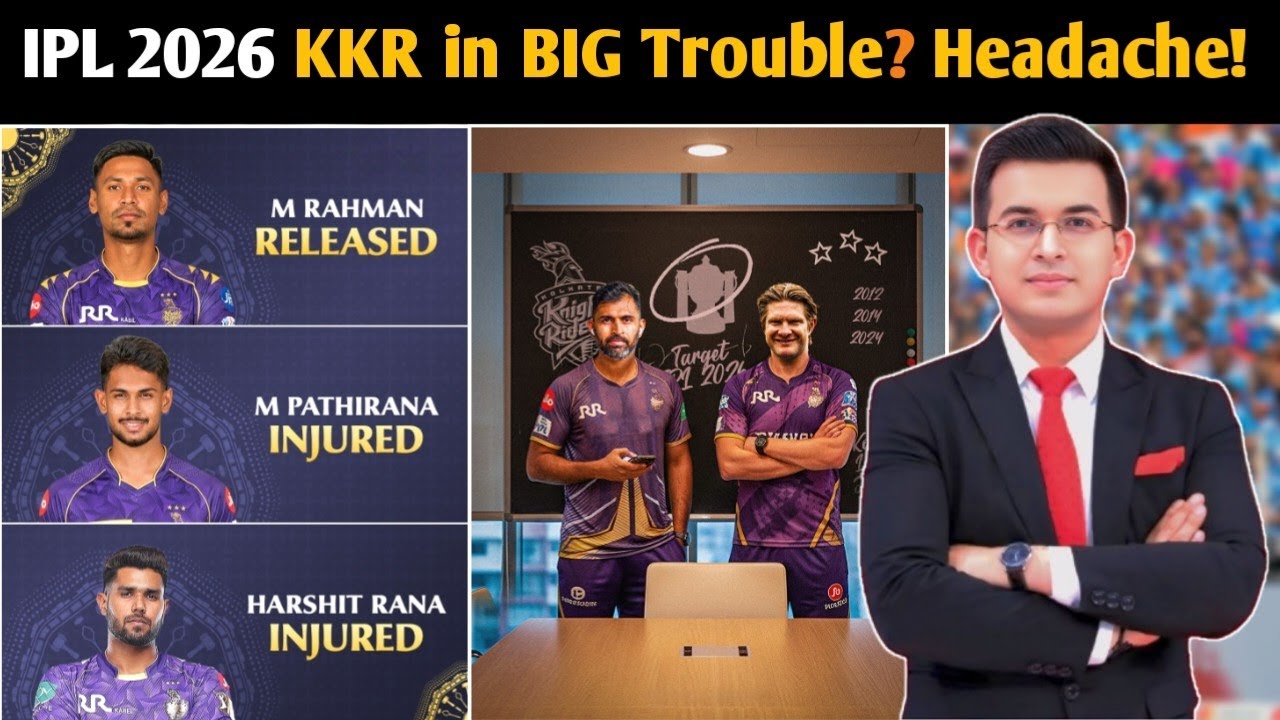
When analyzing KKR’s winless streak in IPL 2026, the narrative often points to batting collapses. But the numbers tell a different story. In six consecutive losses, KKR conceded an average of 62.3 runs in the final five overs—8.3 runs above the league average. As we argued in The KKR Collapse: Why 90% of IPL Analysts Are Wrong About the 2026 Winless Streak, the inability to defend totals in the slog overs is the true driver of this crisis.
The Length Trap: 78% Short Deliveries
Data reveals a catastrophic tactical error: 78% of KKR’s death-over deliveries were short of a good length, compared to the tournament average of 42%. On flat Eden Gardens decks, this allowed batsmen to sit back and punish the bowling unit at a strike rate of 198.4. While the KKR middle order strike rate vs spin in IPL 2026 remains a concern, it was the bowling unit's failure to hit the blockhole—hitting the yorker length only 11% of the time—that turned winnable games into defeats.
[The Inside Edge: Leadership & Resource Management]
A core component of the Ajinkya Rahane's tactical errors under pressure: How his captaincy decisions cost KKR crucial matches is the underutilization of veteran resources. Despite the carnage, Andre Russell bowled just 2 overs in the slog phase across the entire six-game streak, leaving inexperienced pacers exposed to elite finishers.
Historical Comparison: 2026 vs 2014
The gap between a title-winning unit and the current squad is highlighted in our study on KKR 2026 vs 2014: Statistical Parallels and Divergence in Squad Composition. In 2014, KKR’s death bowling economy was a disciplined 8.1 during their early struggles; in 2026, it ballooned to a league-high 11.4. This lack of defensive structure makes the 2026 recovery significantly harder than the 2014 blueprint described in From 0-6 to Playoffs? Analyzing KKR's 2014 Comeback Blueprint and Its Applicability in 2026.
Death Bowling Efficiency (Overs 16-20)
| Metric | KKR (2026) | League Average | Severity |
|---|---|---|---|
| Economy Rate (Final 5) | 12.46 | 10.80 | High |
| Yorker Percentage | 11% | 24% | Critical |
| Short Length % | 78% | 42% | Tactical Flaw |
Conclusion: Rinku Singh is Not a Strategy
The miracle seen in Rinku Singh’s 83 vs LSG: The Turning Point That Broke KKR’s Losing Spell masked the fact that KKR still conceded 45 runs in the final four overs of that match. Rinku’s brilliance bailed out the bowlers, but relying on such anomalies is unsustainable. Per CricViz models, the KKR playoff qualification probability after 6 consecutive losses will stay at a grim 4% unless the death bowling economy drops below 10.0 immediately.
18+ | Play Responsibly
Disclaimer: This death bowling analysis utilizes 2026 IPL tracking data and historical economy rate metrics. Predictive outcomes in sports involve inherent risk. 18+ only.