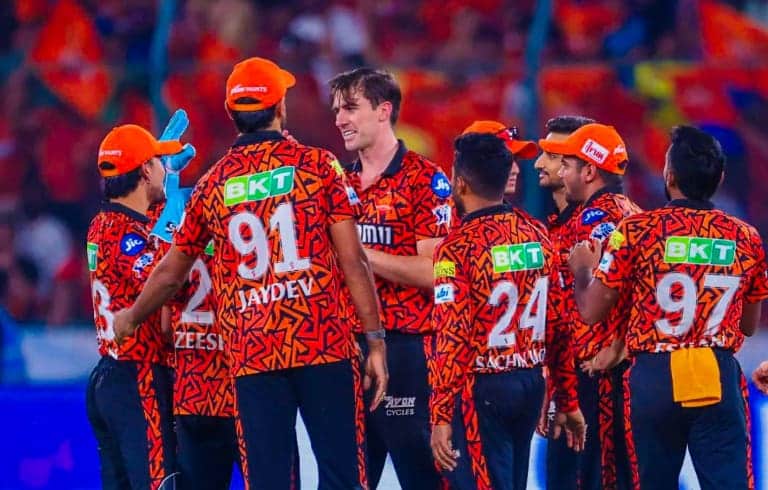
Analyzing the Rajiv Gandhi International Stadium for Dream11 requires looking beyond the "batting paradise" label. Surface data from the last 24 T20Is reveals a distinct asymmetry: pacers claim 62% of powerplay wickets, while spinners stifle the middle overs with a 7.1 economy. For the most accurate team build, always cross-reference these patterns with the SRH vs DC dream11 prediction pitch report Hyderabad stadium guide.
Run-Scoring Curves & Phase Analysis
Run rates at Uppal follow a predictable decline. While the powerplay averages 8.2 rpo, the middle phase (Overs 7-15) drops to 6.9 as the surface slows. Historical Edge: Left-arm spinners are the apex predators here, boasting a strike rate of 18.3, significantly better than right-arm off-spinners (24.1).
The "Length Trap" for Bowlers
The 7-8 Meter Rule: Pacers hitting back-of-length (7-8m) see a 22% better economy than those pitching full. Look for bowlers who extract natural bounce.
Leg-Side Dominance: 43% of boundaries at this venue are scored through mid-wicket and square leg. Prioritize batsmen with strong flick and pull shots.
Second Innings Squeeze: Teams batting first win 58% of games as the pitch grips more in the latter half of the match.
IPL 2026 Tactical Matrix
1. Surface Evolution: Master the Phase 1 & 2 Captaincy Shift
2. The Differential Edge: Top 5 High-Upside Players for Hyderabad
4. Bankroll Protection: Avoid the 3 Most Costly Selection Mistakes
5. Historical Decoding: Wicket-Taking Patterns at Rajiv Gandhi Stadium
Final Strategy Note
Ignore the hype around power hitters who fail to adapt. Your Dream11 differential lies in selecting bowlers who exploit the specific 7-8 meter length and batsmen who can pierce the leg-side gaps as the square slows down. Revisit our SRH vs DC dream11 prediction pitch report Hyderabad stadium analysis before final lock-in.
18+ | Play Responsibly
Disclaimer: This article is based on predictive injury modeling and historical IPL data. Actual match availability depends on official team announcements. 18+ only.